

5 Things That Could Be Shortening the Life of Your Dental Handpieces

Dental handpieces work hard. They’re used all day, every day, often by multiple users, and they go through cleaning and sterilization over and over again. Eventually, every handpiece is going to need service. But after years of repairing handpieces, we’ve learned something: sometimes a handpiece simply wears out. Other times, Rick opens one up on the repair bench and can see clues that tell a very different story. The good news is that some of the problems we see again and again are also some of the easiest to prevent. Here are five things that could be sending your high-speed handpieces to our repair bench sooner than they need to be. 1. You’re Not Lubricating Them Correctly It sounds simple enough; spray some oil into the handpiece and you’re done. Not quite. One of the first things Rick teaches when he does handpiece maintenance training is to make sure you’re using the correct lubrication tip for that handpiece. Handpieces with swivel connectors have specific spray tips designed to fit tightly into the base. That tight seal helps move lubricant through the handpiece and flush debris out. Rick’s rule is pretty simple: spray until you actually see oil coming out of the head. If you put a few drops in and stop, you really don’t know whether that lubricant made it all the way through the handpiece. If your handpiece is still under warranty, follow the manufacturer’s instructions and use its recommended lubricant. 2. You’re Lubricating It and Putting It Straight Into the Sterilizer Once you lubricate the handpiece, you need to run it. This purges the excess oil before the handpiece goes through the sterilization cycle. Why does that matter? Excess oil can remain around the bearings and then get heated during sterilization. Rick describes it as the oil essentially “baking” into the bearings, which can eventually leave the handpiece running sluggishly. Purging the excess oil also helps prevent lubricant from spraying into a patient’s mouth or contaminating the operating field the next time the handpiece is used. From the Repair Bench If there’s one routine Rick wants dental teams to remember, it’s this: Oil it. Run it. Sterilize it. After lubricating, run the handpiece to purge the excess oil. If you still have a lot of oil coming out, keep going. You want lubricant where it needs to be doing its job not excess oil sitting inside the handpiece during sterilization. It’s a small step, but over the life of a handpiece, those small steps matter. 3. You’re Forgetting About the Chuck When people think about handpiece maintenance, they tend to think about the turbine and bearings. Rick thinks about the chuck, too. That little mechanism has a pretty important job: holding the bur securely while your handpiece is running at extremely high speed. Debris can collect inside the chuck, and if nobody is cleaning it, problems can develop. Depending on the manufacturer’s instructions, chuck maintenance may include using a small brush to remove debris and lubricating the chuck mechanism. Rick covers this specifically when teaching about certain lube-free handpieces because “lube-free” doesn’t necessarily mean maintenance-free. If a bur suddenly isn’t holding the way it used to, don’t automatically assume you have a bad turbine. The chuck may need some attention. 4. You’re Putting Handpieces Away While They’re Still Damp One thing Rick pays attention to when a handpiece comes apart on the bench is corrosion. Sterilization is obviously essential, but the drying portion of the cycle matters too. Rick teaches dental teams to allow the complete drying cycle to finish before storing their handpieces. Moisture can contribute to rust, corrosion and buildup over time. His training also recommends allowing bagged handpieces to dry paper-side-up. We know everyone is trying to keep instruments moving on a busy day, but this isn’t the place to save a few minutes. Let them dry. 5. You’re Ignoring What Your Handpiece Is Telling You Dental teams sometimes wait until a handpiece completely stops working before sending it in, but that’s not always when the problem started. Rick teaches teams to watch for overheating, loss of cutting power, chuck-holding problems, unusual noises and vibration. Those changes can indicate issues involving lubrication, bearings, the turbine or the chuck. Sometimes when someone calls about a handpiece, one of Rick’s first questions is simply, “What does it sound like?” If the answer is, “It sounds like marbles rolling around in a soda can,” we need to talk. That’s Rick’s description of the sound you can hear when bearings are badly worn, and it’s exactly what we showed in our last From the Repair Bench article—Does Your Dental Handpiece Sound Like Marbles in a Soda Can? You use these handpieces every day. You know what they normally sound, feel and perform like. If one suddenly changes, pay attention to it. Don’t wait for it to completely quit. The Goal Is to Keep Your Handpiece Off Our Repair Bench That might sound strange coming from a handpiece repair company, but it’s true. We don’t want to see a handpiece three months earlier than we should because of something that could have been prevented. Properly lubricate it. Run out the excess oil. Take care of the chuck. Let it dry completely. And listen when it starts telling you something has changed. You take care of your patients. We’ll help you take care of the handpieces you use to do it And when something doesn’t look, sound or feel right, send it our way. Rick and the Summit team will take a look and let you know what it needs. Something going on with your handpiece? Send it to Summit Handpiece Express →
Does Your Dental Handpiece Sound Like Marbles in a Soda Can?
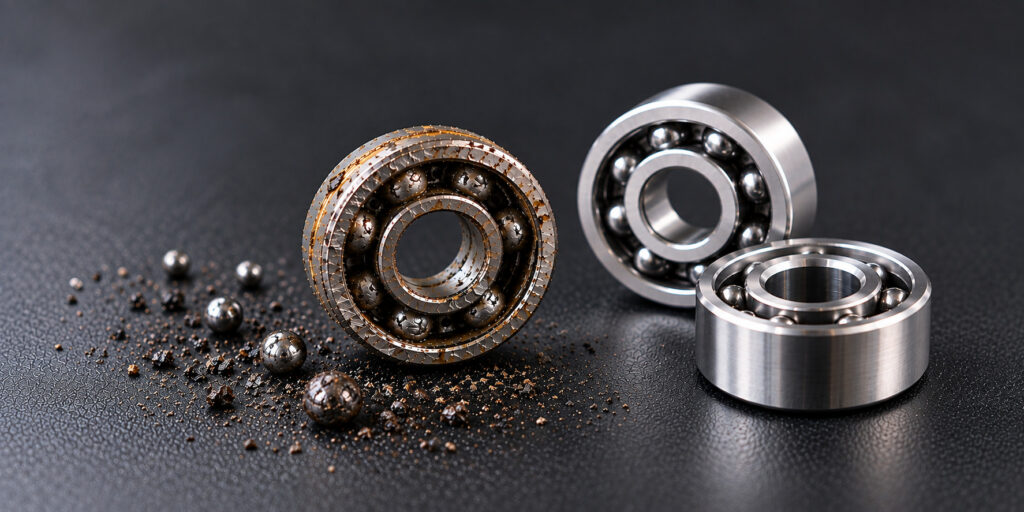
If your dental handpiece suddenly sounds like marbles rolling around in a soda can, there’s a good chance something isn’t right. That’s actually how Rick at Summit Handpiece Express describes one of the sounds he listens for when diagnosing a handpiece. And once you’ve heard it, you know exactly what he means. What’s Making That Sound? Inside your high-speed handpiece are tiny precision bearings that allow the turbine to spin at extremely high speeds. Over time, those bearings can wear. In some cases, the bearing chamber—or race—becomes so worn or damaged that the tiny balls inside the bearing are no longer being held properly in place. That’s when you can start hearing that distinctive “marbles in a soda can” sound. This is an actual worn bearing from a handpiece repaired at Summit Handpiece Express. You can see the damage that allowed the tiny bearing balls to move around instead of staying properly contained. Don’t Ignore a Handpiece That Suddenly Sounds Different A noisy handpiece may continue to run for a while, but that doesn’t mean you should keep using it until it completely fails. Changes in sound can be an early warning that components inside the handpiece are wearing or failing. Signs Your Dental Handpiece May Need Attention Can a Worn Bearing Be Repaired? In many cases, yes. When a handpiece arrives at Summit, we inspect it to determine what’s actually causing the problem. If the turbine or bearings need repair or replacement, we’ll identify the issue and let you know what the handpiece needs. The important part is not waiting until a warning sound becomes a complete failure—or causes additional damage. A Tip From The Repair Bench We have repaired thousands of dental handpieces over the years, and one of the simplest things he tells dental teams is: You know your handpieces. Pay attention when one suddenly sounds different. If you’re holding it and thinking, “Why does this thing sound like marbles in a soda can?” — that’s probably not a sound you want to ignore. Hearing Something Strange? Send your handpiece to Summit Handpiece Express. We’ll inspect it, determine what’s causing the noise, and let you know what it needs.