

Dental handpieces work hard. They’re used all day, every day, often by multiple users, and they go through cleaning and sterilization over and over again. Eventually, every handpiece is going to need service.
But after years of repairing handpieces, we’ve learned something: sometimes a handpiece simply wears out. Other times, Rick opens one up on the repair bench and can see clues that tell a very different story.
The good news is that some of the problems we see again and again are also some of the easiest to prevent. Here are five things that could be sending your high-speed handpieces to our repair bench sooner than they need to be.
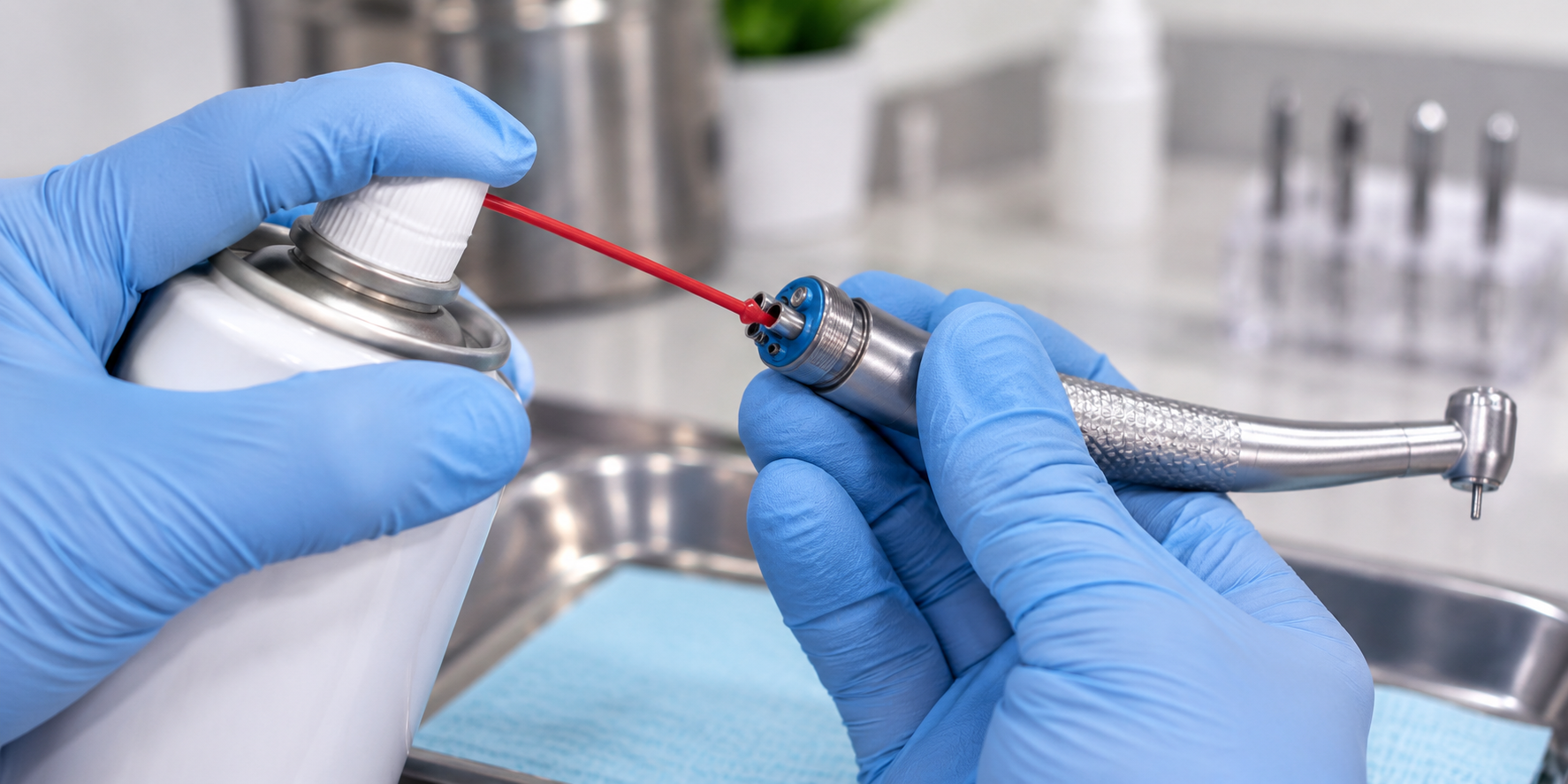
1. You’re Not Lubricating Them Correctly
2. You’re Lubricating It and Putting It Straight Into the Sterilizer
Once you lubricate the handpiece, you need to run it. This purges the excess oil before the handpiece goes through the sterilization cycle.
Why does that matter? Excess oil can remain around the bearings and then get heated during sterilization. Rick describes it as the oil essentially “baking” into the bearings, which can eventually leave the handpiece running sluggishly.
Purging the excess oil also helps prevent lubricant from spraying into a patient’s mouth or contaminating the operating field the next time the handpiece is used.
 From the Repair Bench
If there’s one routine Rick wants dental teams to remember, it’s this: Oil it. Run it. Sterilize it.
After lubricating, run the handpiece to purge the excess oil. If you still have a lot of oil coming out, keep going. You want lubricant where it needs to be doing its job not excess oil sitting inside the handpiece during sterilization.
It’s a small step, but over the life of a handpiece, those small steps matter.
3. You’re Forgetting About the Chuck
When people think about handpiece maintenance, they tend to think about the turbine and bearings. Rick thinks about the chuck, too.
That little mechanism has a pretty important job: holding the bur securely while your handpiece is running at extremely high speed. Debris can collect inside the chuck, and if nobody is cleaning it, problems can develop.
Depending on the manufacturer’s instructions, chuck maintenance may include using a small brush to remove debris and lubricating the chuck mechanism. Rick covers this specifically when teaching about certain lube-free handpieces because “lube-free” doesn’t necessarily mean maintenance-free.
If a bur suddenly isn’t holding the way it used to, don’t automatically assume you have a bad turbine. The chuck may need some attention.
4. You’re Putting Handpieces Away While They’re Still Damp
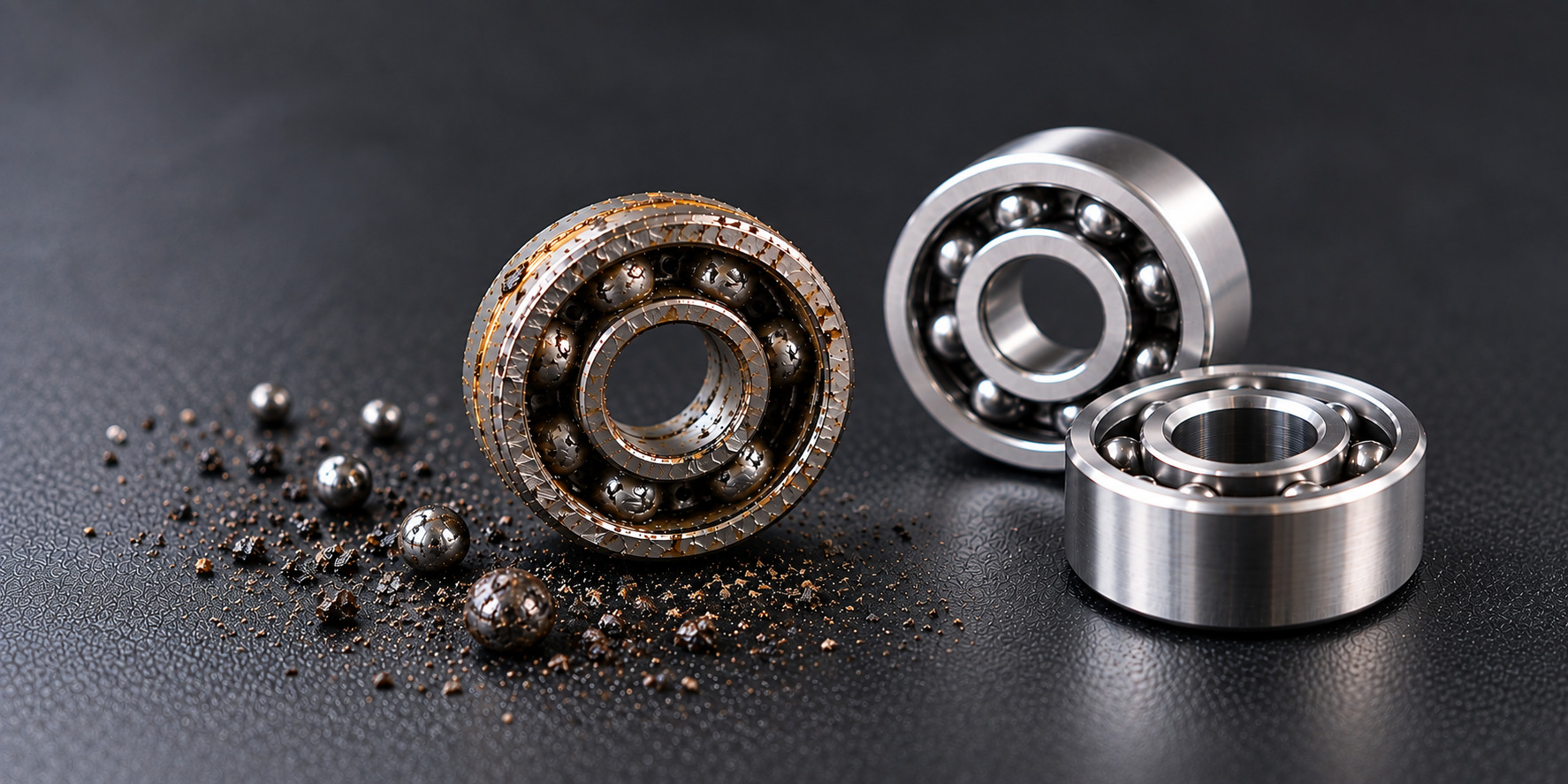
One thing Rick pays attention to when a handpiece comes apart on the bench is corrosion.
Sterilization is obviously essential, but the drying portion of the cycle matters too. Rick teaches dental teams to allow the complete drying cycle to finish before storing their handpieces. Moisture can contribute to rust, corrosion and buildup over time. His training also recommends allowing bagged handpieces to dry paper-side-up.
We know everyone is trying to keep instruments moving on a busy day, but this isn’t the place to save a few minutes. Let them dry.
5. You’re Ignoring What Your Handpiece Is Telling You